Understanding Biofilms Made Simple

Changing how we understand biofilms in everyday life

biofilms.com is the culmination of nearly 40 years of research and real-world experience studying how biofilms impact industry and our daily lives. Our goal is to make biofilms easy to understand through simple explanations, engaging content, and practical insights.

40+ Years of Industry Experience
  • Educating people about the hidden impact of biofilms
  • Making complex scientific topics easy to understand
  • Raising awareness for safer and healthier environments

Our Mission

Educating the world about biofilms.
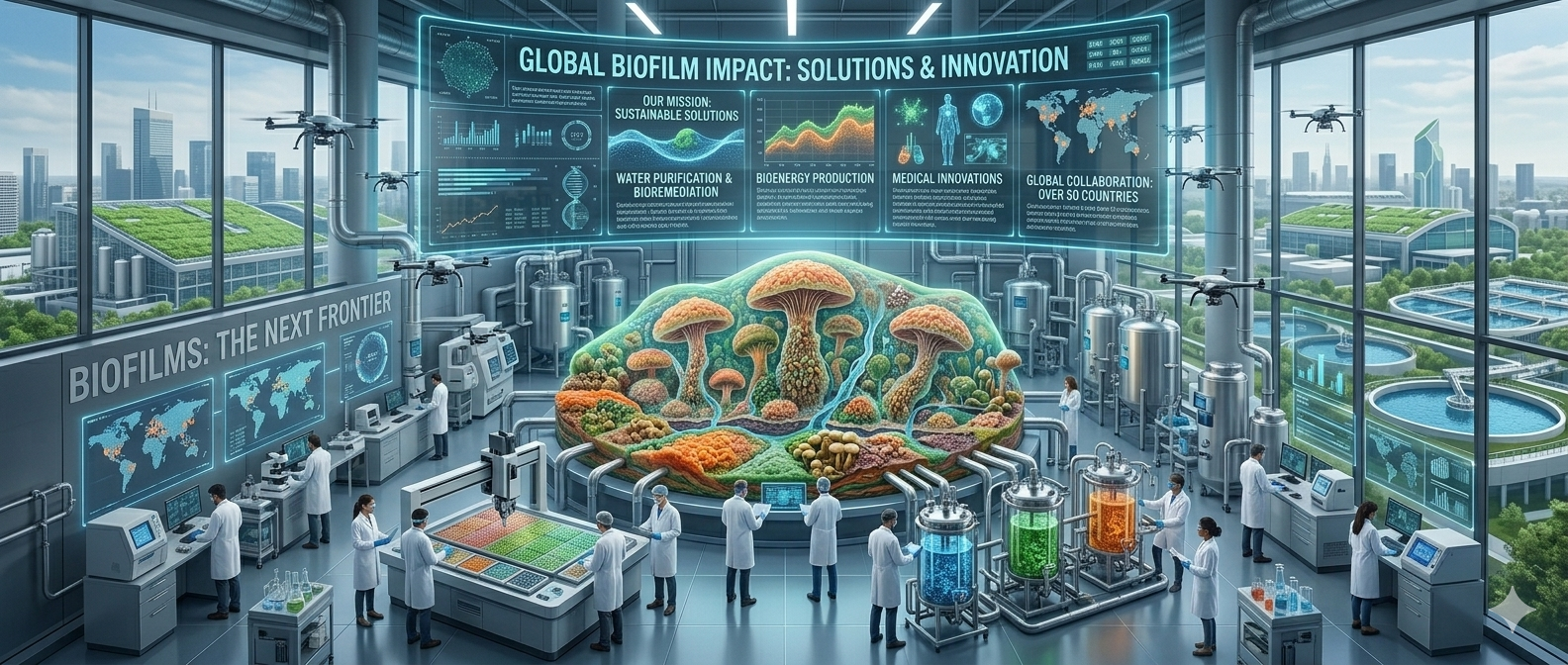
Biofilm Education

40+ years industry experience

Science Made Simple

Real-World Biofilm Impact

About Section

What are biofilms?

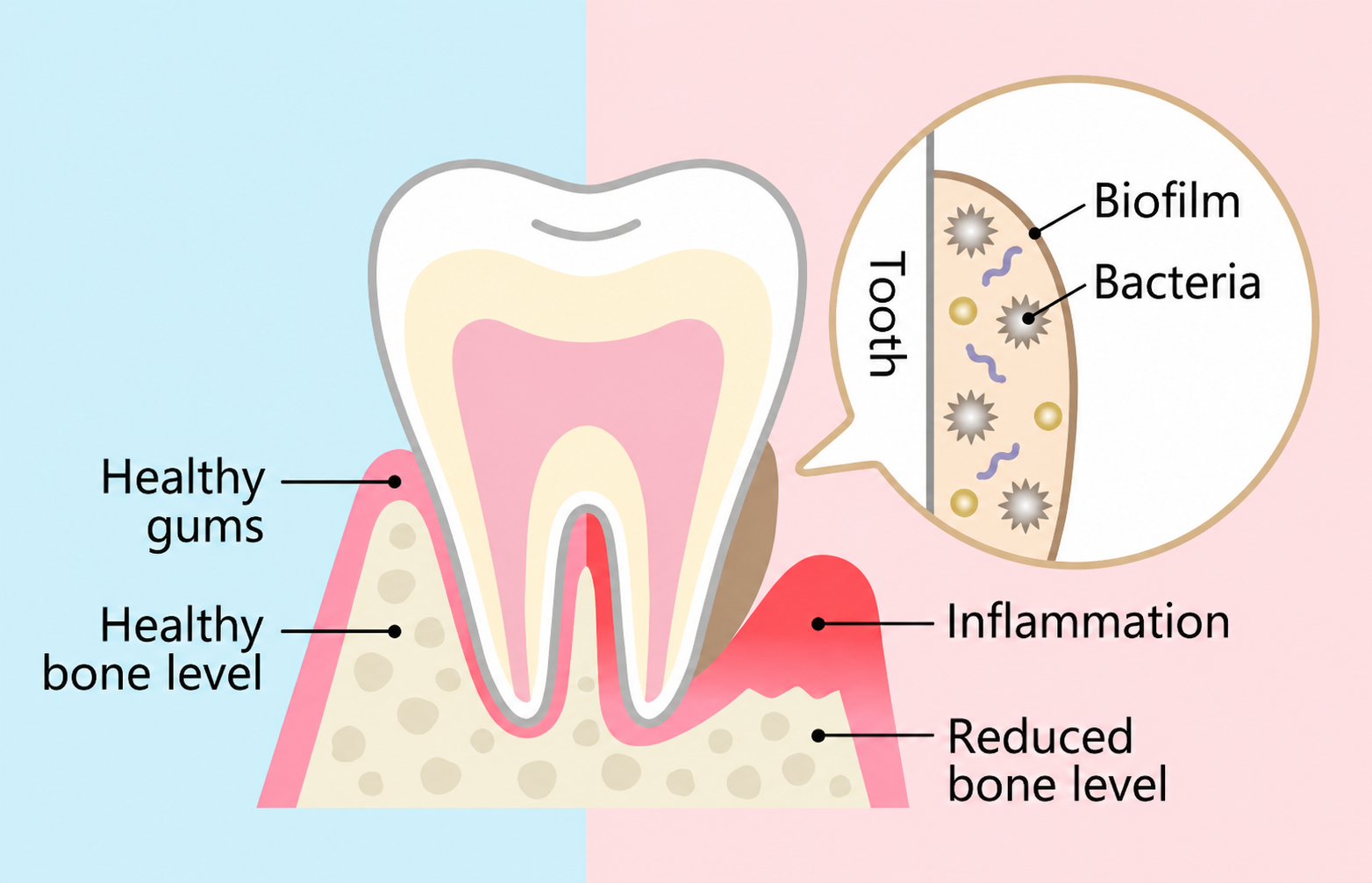
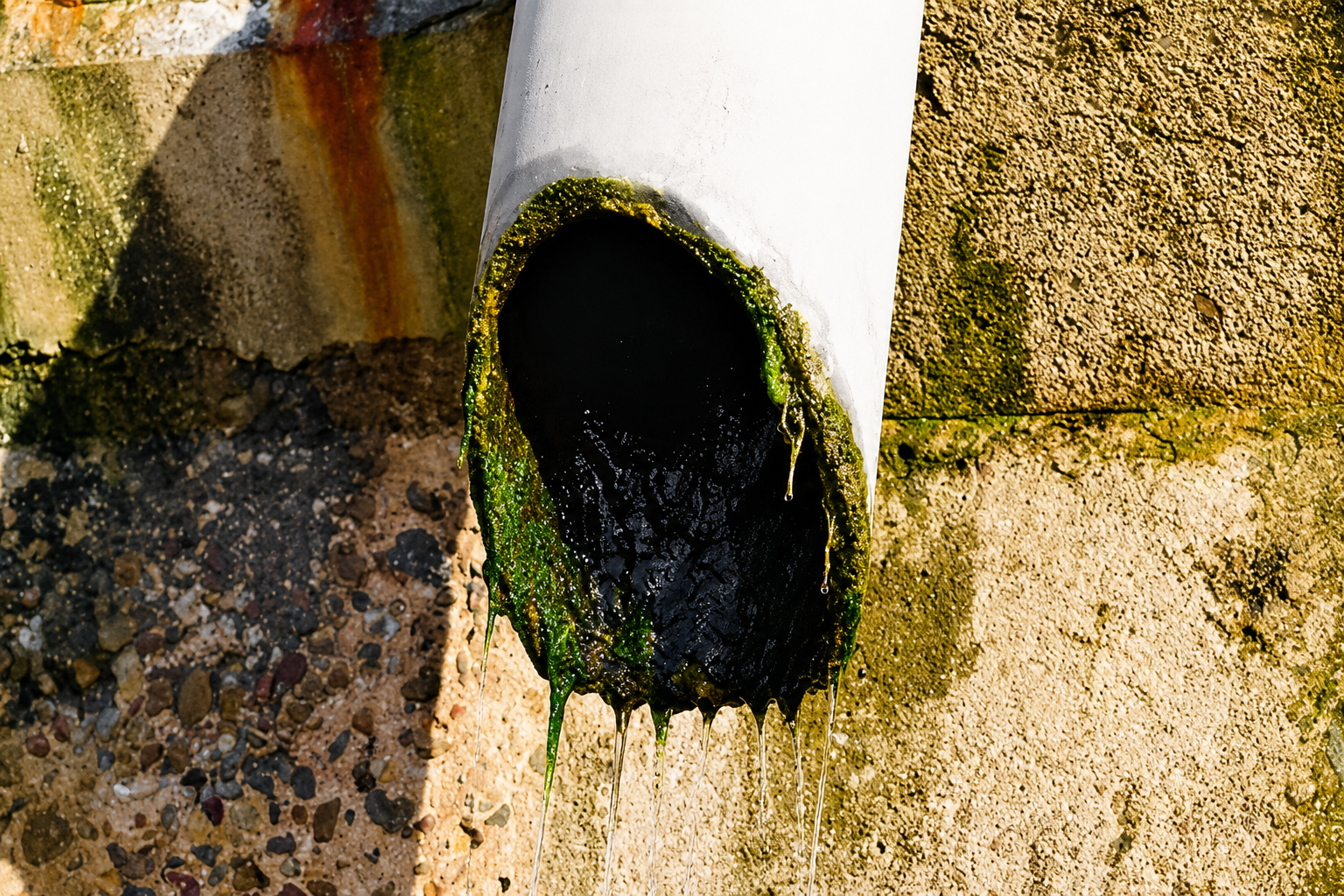
So, what are biofilms? Biofilms are resilient communities of living micro-organisms, such as bacteria or fungi, that evolve and grow together. Without realizing it, you encounter biofilms every day. Brushing your teeth is one of the most common methods of proactively treating biofilms (plaque). We know what happens if you forget to brush your teeth! Microbial biofilms and communities form some of the largest biomass activity centres on the planet. The oceans and seas are the biggest single source of biofilms, with an estimated 96% of microbes on Earth found in biofilms. They thrive in wet areas ranging from the slime on rocks in streams to washing machines, showers and swimming pools, hot tubs, and even our own bodies, like dental plaque on teeth.

They provide ideal conditions for harmful pathogens such as Pseudomonas aeruginosa and Legionella to survive, multiply and resist traditional sanitation methods.

We usually imagine these microscopic organisms or microbes as asocial cells that float about by themselves but, in reality, microbes gather in their millions to form vast communities called biofilms.

Bacteria and archaea mingle with other microbes like algae, fungi and protozoa within these biofilms, forming dense, organized structures that grow on almost any surface. Biofilms provide protection and a nutrient reservoir for these microbes.

Understanding Biofilms Helps Create Safer Environments

Biofilms are present in everyday life, industrial systems, healthcare environments, swimming pools and water systems. Understanding how they grow, survive and spread is essential for improving hygiene, water quality and long-term public health.

Why biofilms.com ?

Real experience backed by deep biofilm knowledge

biofilms.com combines decades of real-world industry experience with focused research to make biofilms easy to understand and relevant to everyday life.

40+ Years Experience

Decades of hands-on experience in water treatment, chemicals, and biofilm challenges.

Industry to Research Journey

From real-world problems to scientific research, bringing practical and proven knowledge.

Biofilm Expertise

Nearly 40 years focused research into understanding and managing biofilms effectively.

Simple & Clear Education

Making complex biofilm science easy to understand for everyone.

Global Awareness Mission

Helping people understand how biofilms impact health, industry, and daily life.

Trusted Industry Voice

Presentations and collaborations with leading organisations and research groups.

James Lee

40+

Years Experience

Meet James Lee

40 years of expertise in recreational water treatment

40 years of experience in recreational water treatment, James started his career in 1986 working at his local swimming pool and by the age of 23 was managing his first municipal swimming pool. A member of ISRM in the 1990’s he became focused on commercial swimming pools and the associated water treatment. In 1999 this passion saw James moving into specialising recreational water treatment, working for some of the global manufacturers and distributors of water treatment products.

For 26 years the focus has been on innovation and excellence and it was in 2011 James’ imagination was captured with biofilms and the impact they have on recreational and industrial water systems. Understanding the impact biofilms have on everyday water treatment and the superior benefits biocides such as chlorine dioxide offer has resulted in the launch of biofilms.com.

A career long journey into biofilm research and working partnership with the Biofilm Alliance has led to James delivering several keynote lectures to The Biofilm Alliance, Institute of Swimming Pool Engineers, The Legionella Control Association and the Pool Water Treatment Advisory Group (PWTAG). He is also an active consultant in biofilm management for the industry.

Industry Leadership

Over 26 years of focus on recreational water treatment, working with global manufacturers and distributors.

Biofilm Expertise

Since 2011, specialising in biofilms, delivering research, keynote lectures and consultancy services globally.

Biofilm Impact

How big is the biofilm problem?

The Biofilm Alliance estimates the economic impact of biofilms at approximately £45 billion annually in the UK and $5 trillion globally. In aquatic facilities, biofilms are directly linked to increased maintenance costs, reduced system efficiency, poor water quality, elevated health risks and reputational damage.

Traditional chlorine-based treatment systems struggle to penetrate and eliminate established biofilms. While free chlorine remains important for residual disinfection, it is often less effective against resistant organisms and biofilm-protected bacteria.

This challenge is particularly relevant in spa pools and hot tubs, where warm water conditions accelerate bacterial growth and increase the risk of Pseudomonas aeruginosa outbreaks, identified by the NHS as a significant “superbug” concern.

Biofilm Problem

What are biofilms? Learn more from this short video

Watch Biofilm Introduction
Biofilm Lifecycle

Formation of Biofilms

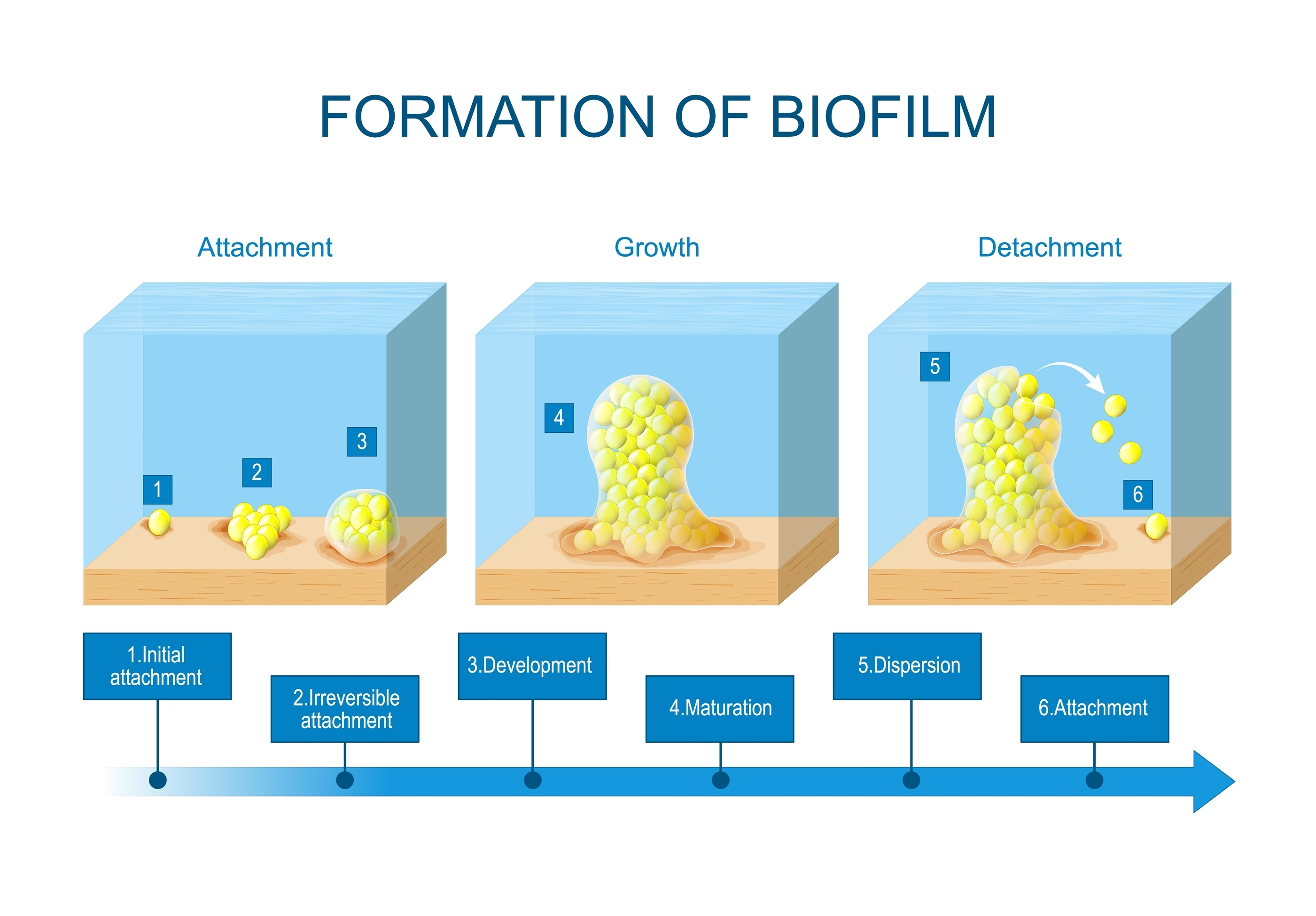
Biofilm formation begins when free-floating microorganisms attach to a surface. Once attached, they start producing a protective layer of extracellular polymeric substances (EPS), allowing them to survive and strongly adhere to surfaces.

Over time, they multiply and form highly structured communities with internal channels that transport nutrients and water, making them resistant to conventional cleaning and disinfection methods.

Eventually, fragments break away and spread to new environments, continuing the cycle of biofilm growth and contamination.